

…
It usually comes up towards the end of a meeting. We’ve talked about websites, SEO, keywords, blogs, Google Business Profiles, page titles and content. Then someone asks… “But what about Bing?” Now, before anyone sharpens their pitchforks, this isn’t a blog about why Bing is “bad.” It isn’t. It’s simply about understanding where your time is best spent as a small business owner. Because marketing is all about priorities.
You Can’t Optimise Everything (Shiny Object Syndrome!)
One of the biggest challenges for freelancers and small businesses is that there are only so many hours in the day. You could spend your week trying to optimise for:
- Bing
- Social media >> Instagram and Facebook / Meta
- Email marketing / Landing Page
- AI search (Which is still Google right?)
- YouTube
- Local directories
- …and still feel like you’ve barely scratched the surface.
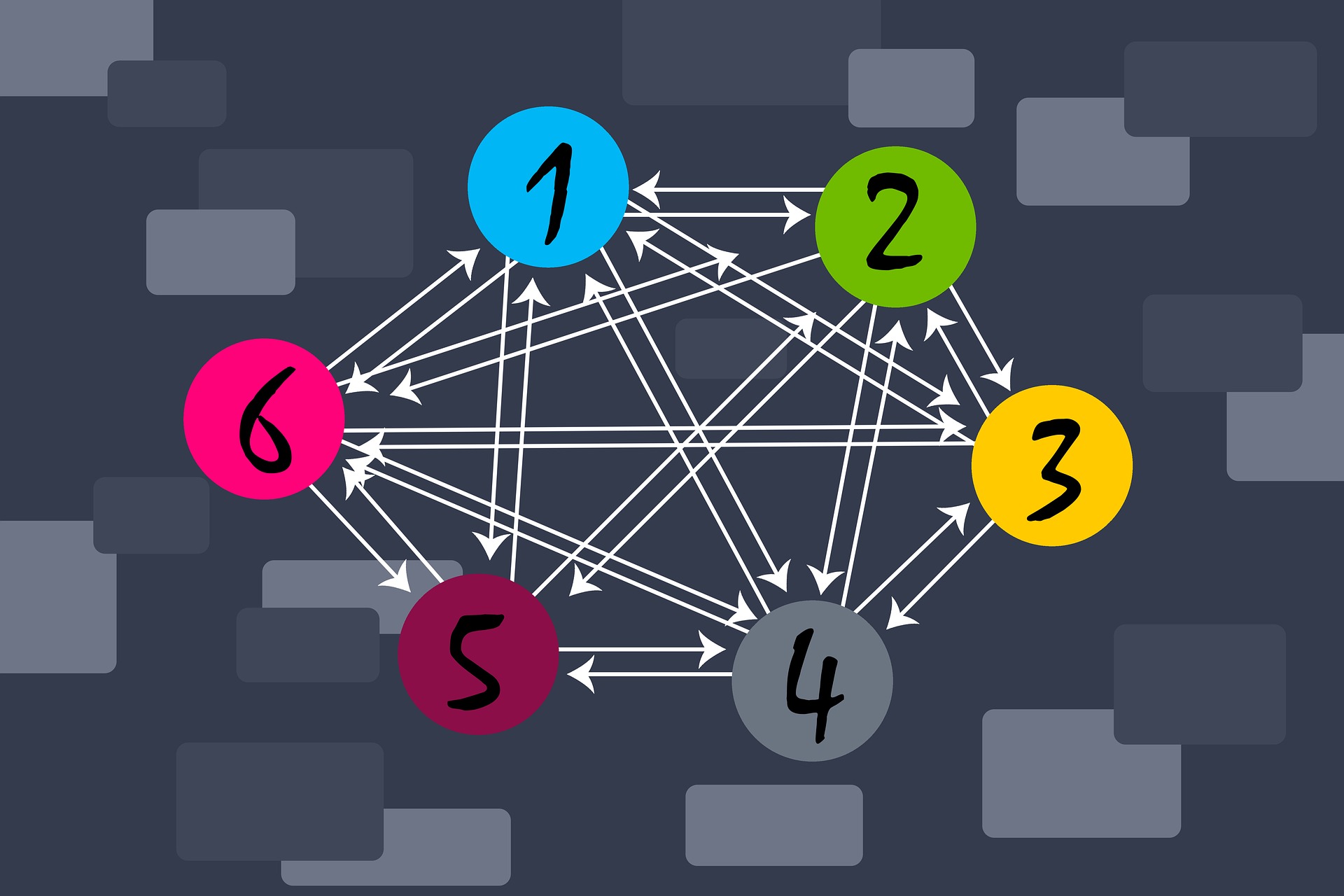
That’s why I always come back to one simple question. Where are your customers actually searching? For the overwhelming majority of the businesses I work with, the answer is still Google. Whether someone is looking for: A local pub; A PAT Testing company; A florist; A landscape contractor; A web designer; A coffee shop etc. Their first instinct is usually to “Google it.” That isn’t just a phrase. It’s become part of everyday language.
My Training Has Always Been Google-First
Over the years, I’ve trained, researched and built websites with Google very much at the centre of my SEO strategy. That’s where I’ve invested my learning. That’s where I’ve seen results. That’s where the majority of my clients receive their enquiries. So when someone asks me how to specifically optimise for Bing…
My honest answer is: “I don’t.” Not because Bing doesn’t exist. Not because nobody uses it. Simply because I prefer to specialise rather than pretend to be an expert in everything. I’d much rather give clients confident advice in an area I know inside out than offer vague recommendations on something outside my day-to-day experience. They’re also not “all the same” as you can see from the list above.
Good SEO is good SEO. If you build a fast website… Write useful content… Structure your pages properly… Optimise your images… Use clear page titles… Create helpful blog posts… Then you’re already doing many of the things that help across multiple search engines. You’re not building one website for Google and another for Bing. You’re building a good website. Search engines generally reward websites that provide a positive experience for users. That principle hasn’t really changed.
So… Should You Ignore Bing?
Not at all. If your audience actively uses Bing, or you’re working in an organisation where it’s the default browser or search engine, then it absolutely deserves consideration. Some businesses may even see a meaningful proportion of their traffic coming from it. But for many local businesses, sole traders and freelancers, the biggest wins still come from getting the fundamentals right. A well-built website. Clear content. Strong local SEO. Useful information. A website that loads quickly and works beautifully on mobile. Those things will always give you a stronger return than worrying about every possible search engine individually.
…
One of the best pieces of business advice I ever heard was this: Go where your customers are. For me, and for many of the businesses I support, that’s Google. It’s where I’ve chosen to specialise, where I’ve invested my time, and where I’ve consistently seen results. Could I spend months becoming an expert in every search engine? Probably. But I’d rather spend that time helping my clients get found by the people who are already looking for them. Sometimes the smartest marketing decision isn’t doing more. It’s knowing what to focus on.