
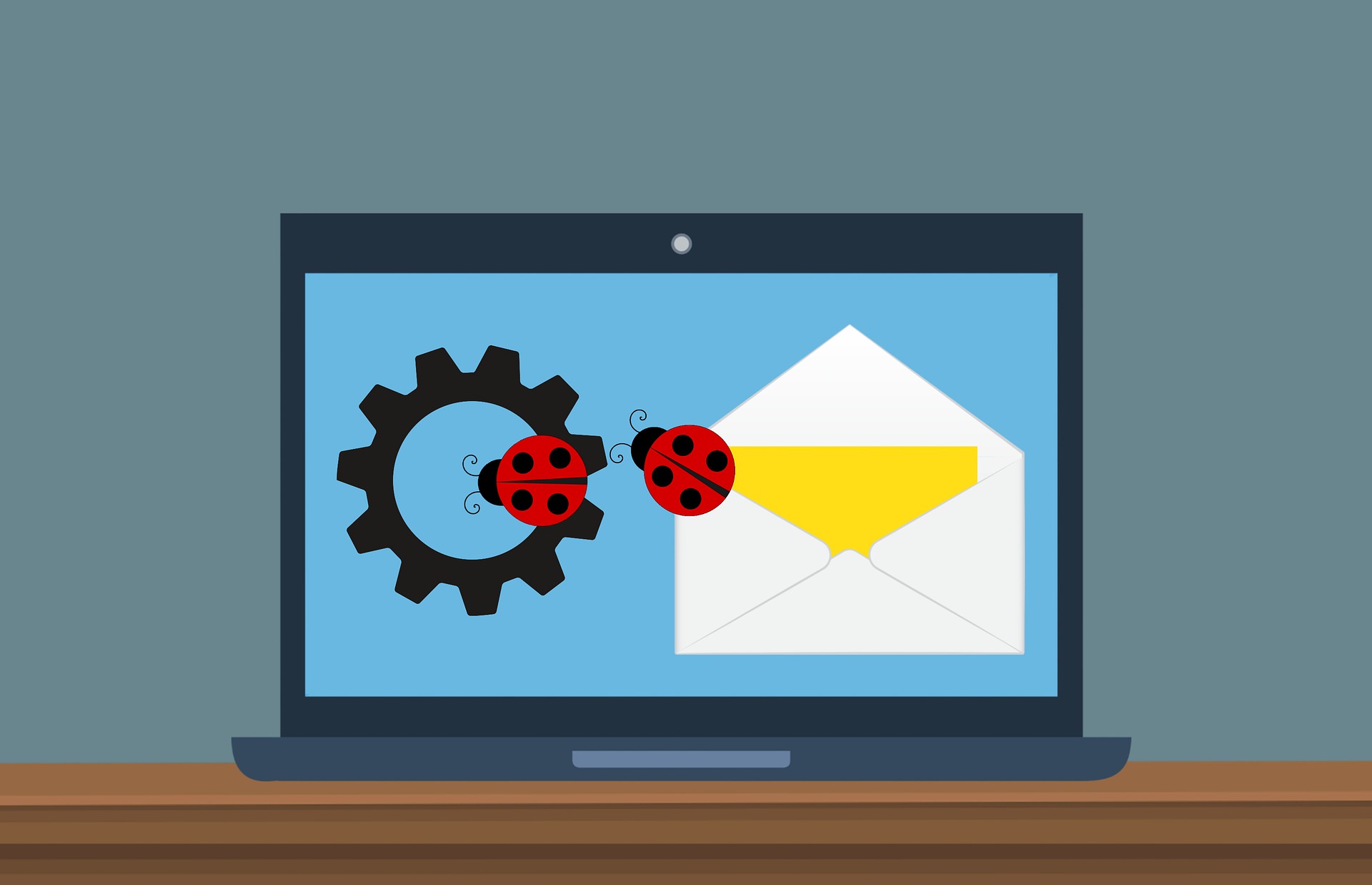
Unraveling the Mystery: Why Do Older Generations Fall for Email Scams? (this has happened to a client of mine through her email recently).
In an age where caution is preached at every corner of the internet, it’s perplexing to witness the older generation, known for their prudence, falling victim to email scams. The virtual realm, once deemed treacherous, has seen the seasoned minds of our elders succumbing to cunning schemes. This blog post explores the unsettling reality of why the most cautious demographic finds themselves entangled in the web of email scams.
The Personal Dilemma (I’m sorry but this AI is hilarious here, I’ve left in the original draft!)
Our tale begins with the return of the computer man, a familiar figure tasked with resolving the aftermath of an email scam. The shockwaves of disbelief reverberate as at least one kind friend has fallen prey to the scam, losing a substantial sum of £200. This alarming incident prompts a closer inspection of why the older generation, often considered vigilant on the internet, becomes unsuspecting victims.
1. Trusting Nature
One of the primary reasons behind the vulnerability of the older generation is their inherent trust in others. Having grown up in an era where face-to-face interactions were the norm, they are accustomed to a world where trust was established through personal relationships. Translating this trust into the digital sphere, they may be more inclined to believe seemingly genuine emails or messages.
2. Lack of Familiarity with Technology
Despite making strides in becoming tech-savvy, the older generation may still lack a comprehensive understanding of the intricate workings of the internet (can’t learn / won’t learn). Email scams often exploit this knowledge gap, employing sophisticated tactics that might deceive even the most cautious individuals. The lack of familiarity with the intricacies of online security makes them susceptible to falling for phishing attempts.
3. Fear of Missing Out (FOMO)
The desire to stay connected with the rapidly evolving digital world can sometimes backfire. Older individuals, eager to keep pace with the younger generation, might feel a fear of missing out on opportunities or information. Scammers leverage this FOMO by crafting emails that appear urgent or time-sensitive, compelling victims to act without thoroughly scrutinising the content.
4. Politeness and Courtesy
Raised in a culture where politeness and courtesy were paramount, the older generation may hesitate to question or ignore requests that seem official or urgent. Scammers exploit these values, creating emails that play on emotions and elicit a response through emotional manipulation.
The unfortunate incident of a client’s friend losing £200 to an email scam (Sky Com Email…) serves as a stark reminder that no one is immune to the evolving tactics of cybercriminals. Understanding the factors that make the older generation vulnerable to such scams is crucial for devising effective strategies to protect them. As we strive for a safer online environment, bridging the digital generation gap becomes essential, ensuring that knowledge, awareness, and caution are shared across all age groups.