The Hidden Dangers of Performance-Enhancing Plugins: Do You Really Need Them for Your WordPress Website?
In the fast-paced digital landscape, the need for a high-performing website is undeniable. Website owners often seek ways to enhance their site’s perceived “speed and efficiency”, and one common route taken is the installation of performance-enhancing plugins on WordPress. While these plugins promise a boost in speed and overall user experience, the decision to install them may come with unforeseen perils when the existing server and WordPress installs already do these things, plus nothing beats a properly built / optimised website e.g. resize images before uploading. In this blog post, we will explore the potential risks and drawbacks associated with relying on performance-enhancing plugins for your WordPress website instead of doing a job properly in the first place, or redoing something vis a vis ‘perception’.
1. Plugin Overload
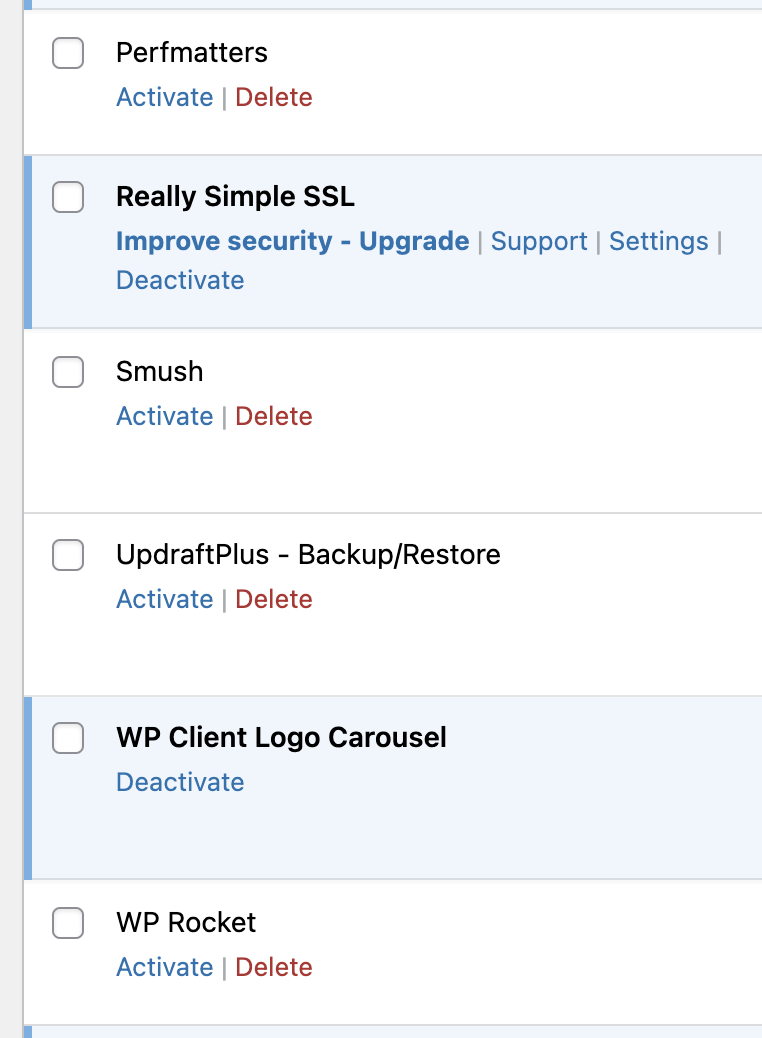
The WordPress Plugin Directory boasts thousands of plugins, each claiming to be the ultimate solution for improved performance. However, the temptation to install multiple plugins can lead to plugin overload. Too many plugins, even those designed to enhance performance, can create conflicts, slowing down your website rather than speeding it up. It’s essential to carefully evaluate the necessity of each plugin and avoid unnecessary bloat.
2. Compatibility Issues
WordPress is a dynamic platform with frequent updates and changes. Performance-enhancing plugins that aren’t regularly updated by their developers may become incompatible with the latest WordPress versions. This can result in glitches, errors, and even security vulnerabilities. Relying on outdated plugins poses a significant risk to the overall stability and security of your website.
3. Diminished Website Security
Installing plugins from unverified sources or using outdated ones can expose your website to potential security threats. Hackers often exploit vulnerabilities in plugins to gain unauthorised access to websites. By reducing the number of plugins and opting for reputable, well-maintained alternatives, you can significantly decrease the risk of security breaches.
4. Impact on User Experience
Contrary to their promises, some performance-enhancing plugins may negatively impact the user experience. Excessive optimisation (especially “Smushing” images) efforts can lead to broken functionalities, distorted layouts, or diminished website responsiveness. Users expect a seamless and enjoyable experience, and a website plagued with issues will likely drive them away.
5. Potential SEO Consequences
Google and other search engines prioritise fast-loading websites in their search rankings. However, relying solely on plugins for performance improvements may not yield the desired results. In fact, poorly optimised plugins can hinder your SEO efforts, as search engines penalise slow-loading websites. A strategic and holistic approach to performance optimisation, rather than depending on plugins alone, is crucial for maintaining a strong online presence.
While the allure of quick and easy performance improvements may be tempting (and of course the installer ‘knows best!’, the perils of installing too many performance-enhancing plugins on your WordPress website cannot be ignored. A thoughtful and strategic approach to website optimisation, including regular evaluations of the plugins in use, is essential for maintaining a high-performing, secure, and user-friendly website. Rather than relying on plugins as a silver bullet, consider a comprehensive optimisation strategy that addresses all aspects of your website’s performance for sustained success in the competitive online landscape.