
Question from client :: Is there any advantage in adding external links to my website e.g. a sports massage therapist, pilates teacher, podiatrist (peers in my field)?
I was asked a few weeks ago if I wanted to add MY link to another website and it got me a thinking.
My Answer :: Yes there’s great weight in linking to other websites and them linking to you. I usually find some credible links when putting the blog posts on – At least 2 per post. These are known as external links.
I think you may have been asked to recommend people and then link to their site – Which isn’t really how it works. It’s more in context so you might be on the blog talking about a Pilates Teacher and you’d use that opportunity to link to them. Gone are the days where we have a list of Recommended Suppliers which is essentially a list of links for SEO.
Obviously check that the website is credible. Would you shop there? Is it a good design / up to date? There are certain websites we don’t link to such as Wikipedia as they are ’no follow’ and the links are there to get Google Search moving from one site to another.
It works vice versa too, but again check that they are using the link in a decent context.
…
Let’s explore this further… In the ever-evolving world of digital marketing and online presence, the concept of external links has become a crucial element in the strategy of any website. These links, which connect your site to other relevant online resources, can bring numerous advantages to your web presence. In this blog post, we’ll explore the value of adding external links to your website, especially when it comes to peers in your field.
Understanding the Role of External Links
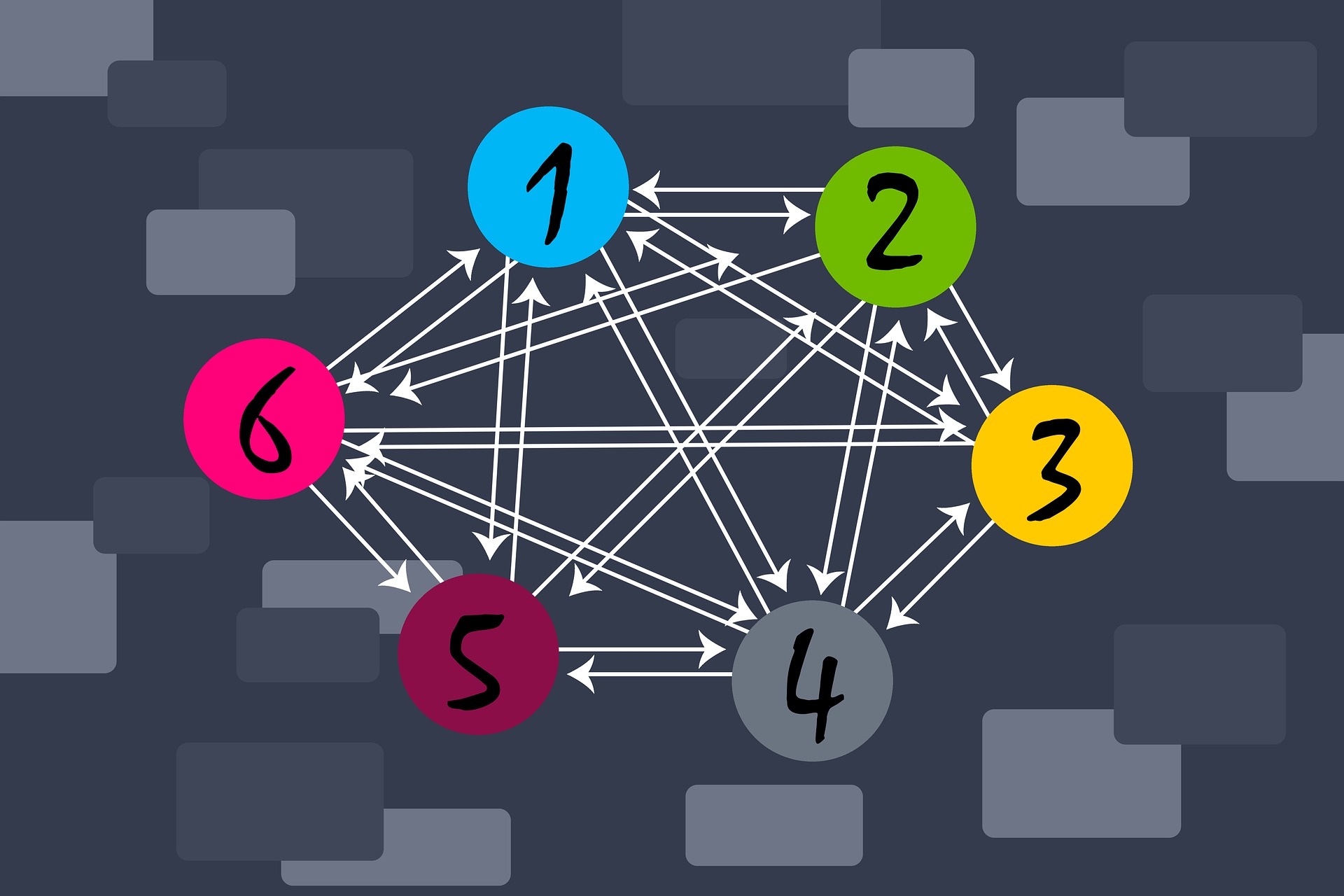
External links, often referred to as outbound links, are hyperlinks that point from one website to another. These links connect webpages and provide a pathway for users to access additional information. While it’s essential to have a well-structured internal linking strategy within your website, external links serve a different purpose.
1. Enhanced Credibility and Authority
One of the primary advantages of adding external links is that they can enhance the credibility and authority of your website. When you link to reputable sources, it signals to your audience that you value accuracy and thoroughness in your content. This, in turn, builds trust with your readers and can improve your site’s reputation.
2. Providing Additional Value to Your Audience
External links allow you to expand on the information you provide in your content. When discussing topics related to your field, such as sports massage therapy, pilates, or podiatry, linking to authoritative sources or peers can offer readers a more comprehensive understanding. It shows that you’re committed to delivering valuable and well-researched content.
3. Networking and Building Relationships
Linking to other professionals or businesses in your field can also help you establish valuable connections and partnerships. By acknowledging their expertise and sharing their content, you contribute to a sense of community within your industry. This can lead to reciprocal linking and other collaborative opportunities in the future.
Contextual External Links: Quality Over Quantity
As you consider adding external links to your website, it’s essential to prioritise quality over quantity. Here are some best practices to keep in mind:
1. Relevance: Ensure that the external links you include are relevant to the content of your webpage. Contextual links, where the link fits naturally within the narrative, are more valuable to both readers and search engines.
2. Credibility: Only link to credible and trustworthy sources. Would you recommend the website to others? Is it well-designed and up-to-date? These factors reflect on the credibility of your own website.
3. No Follow Links: Keep in mind that some websites, like Wikipedia, use “no follow” links, which don’t pass on SEO value. While these links can still be valuable for providing information, they won’t impact your site’s search engine ranking.
4. Reciprocal Links: When your peers or other websites in your field link back to your site, ensure they do so in a meaningful context. Reciprocal linking should be driven by relevance and value to the audience.
In conclusion, external links are a valuable asset for your website, providing credibility, value to your audience, and opportunities for networking and collaboration. When considering adding external links, prioritise relevance, credibility, and context. By doing so, you can harness the power of external links to enrich your content, build relationships, and establish your website as a trusted resource in your field.