There’s a moment in many client relationships where things suddenly wobble. Not because the website is broken. Not because the branding is wrong. But because someone, somewhere, has whispered the words “sales funnel” into their ear.
Suddenly, a perfectly friendly, well-designed local business website isn’t “enough” anymore. It apparently needs pop up forms, landing pages, squeeze pages (yes, those are still a thing), automated email sequences, and a CRM system that sends increasingly desperate messages asking people to buy a book, book a call, download a free thing, then buy another thing.
All of this is usually justified with two phrases:
“I’ve been told I need it by my business guru.”
“And it’s good for SEO.”
Let’s pause there.
Marketing is not sales. And more marketing tech does not automatically equal more customers.
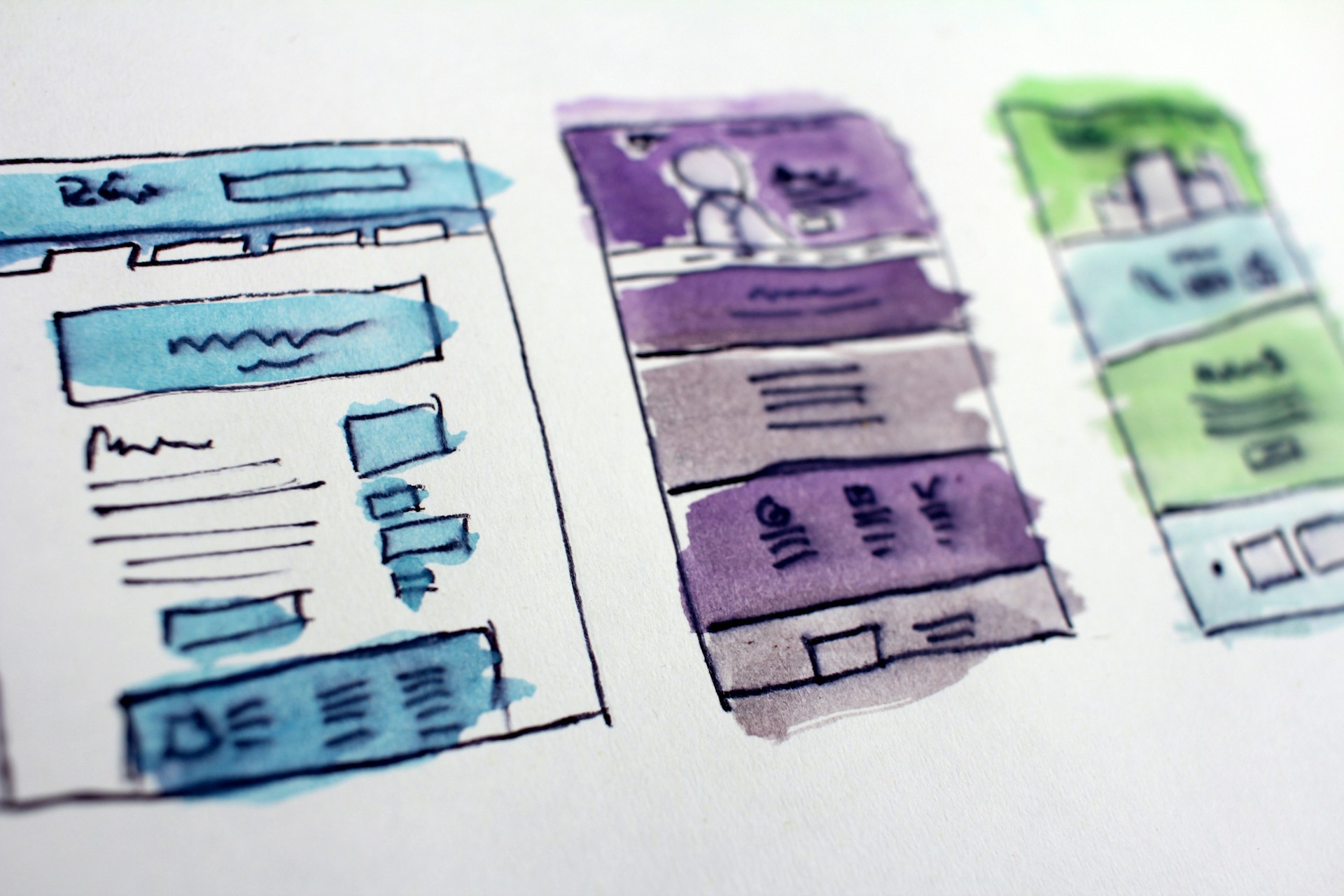
For many small, local businesses, their website’s actual job is quite simple: explain what they do, show they’re trustworthy (with images on oneself), make it easy to get in touch, and support real-world relationships. That’s it. A Divi-built WordPress site does this beautifully when it’s allowed to. Divi also creates squeeze pages / landing pages, but we’ve already gone too far!..
The problem is that clients often chase shiny objects (and new people) instead of fundamentals. They hear about funnels and automation and assume that’s what successful (other) businesses are doing. What they don’t hear is the context: those systems are designed for businesses with high traffic, high volume, and national or international reach.
If your website gets 26 users a month (or even 260), you do not need a multi-step automated sales funnel. You do not need a CRM system aggressively nudging people who glanced at your homepage once. You certainly don’t need to drag your website away from a platform that already works for you.
What you probably do need is to actually market the website you already have. Go out and actually network, update your social media, email market, anything…
Most of the time, the site isn’t failing — it’s being ignored. No consistent content. No local visibility. No email list being nurtured properly. No follow-up after real conversations. No offline-to-online connection.
Adding layers of automation on top of that doesn’t fix the issue. It just adds cost, complexity, and confusion.
There’s also a quieter issue here: blame. When clients move platforms chasing the next must-have system and it doesn’t magically transform their business, frustration often lands back at the website. Or the developer. Or the platform. When in reality, the strategy was wrong for the scale of the business.
Sales funnels have their place. CRMs have their place. Automation can be powerful. But not everything that works for a national brand is appropriate for a local one-person or small-team business.
Good marketing is clarity, consistency, and connection. Not relentless selling. Not begging. Not turning every interaction into a conversion attempt. Sometimes the most effective thing you can do is stop bolting things on… and start using what you already have properly.